Assessing Reputable Building Lead Delivering Fast Results
Understanding the Role of a Commercial General Contractor in Ensuring High-Quality Construction
A commercial general contractor is essential to the building sector. They confirm projects adhere to schedules and budgetary constraints. Their role involves managing intricate timelines and coordinating various parties. This integration is fundamental for maintaining quality and safety standards. Understanding their responsibilities reveals how they influence project outcomes. What specific strategies do they employ to navigate challenges and deliver successful results?
The Importance of a Commercial General Contractor
Although some may misjudge their importance, a commercial general contractor is indispensable for successful building work. Acting as the primary point of coordination, these professionals ensure the smooth integration of all construction elements. Their expertise encompasses not only project management but also effective communication between stakeholders, including clients, subcontractors, and suppliers. By monitoring resource allocation, budgets, and schedules, they lessen dangers and improve operational efficiency.
In addition, commercial general contractors navigate complex regulatory environments, making certain they comply with safety standards and local codes. Their experience in problem-solving and conflict resolution is invaluable, particularly when sudden issues crop up during construction. Ultimately, a skilled commercial general contractor encourages cooperation, increases effectiveness, and adds to the total quality of the build. Their pivotal role lays the groundwork for successful outcomes, making them necessary for all building projects, regardless of size or intricacy.
Key Responsibilities of a Commercial General Contractor
While overseeing a construction project, a commercial general contractor assumes a multitude of key responsibilities that are essential for its success. Primarily, they oversee project timelines, making certain schedules are followed and that the project progresses as planned. They also control the budget, controlling costs and guaranteeing that financial resources are effectively allocated.
The contractor is also accountable for hiring and coordinating subcontractors, selecting qualified professionals for specific jobs such as plumbing and electrical work. They guarantee compliance with regional building laws and safety guidelines, minimizing potential issues associated with construction activities.
A commercial general contractor must also handle securing necessary permits and licenses to enable the building process. Regular site visits are carried out by the contractor to monitor quality and progress, dealing with concerns that arise without delay. Their primary responsibility is to make certain that the work adheres to specifications, meets the deadline, and is completed under the allocated funds.
Coordination and Communication in Construction Projects
Successful coordination and communication are vital components in the favorable outcome of construction endeavors, as they ensure all parties are in agreement with the project's goals and timelines. A commercial general contractor is instrumental in facilitating this process by setting up defined communication channels among subcontractors, suppliers, clients, and architects. They guarantee that current data regarding potential issues, modifications, and progress updates are communicated in a timely and clear manner.
Regular meetings and status reports are integral to this coordination, allowing for the timely resolution of conflicts and the adjustment of schedules as needed. The contractor's skill in promoting teamwork among diverse teams boosts the project's overall effectiveness and reduces confusion. In addition, the use of project management tools and technologies can streamline communication, ensuring all participants can access to the latest data. Ultimately, effective coordination and communication lead to improved project outcomes and party gratification in the construction industry.
Budget Management and Financial Oversight
Financial oversight and budget control are vital to the favorable realization of construction work, guaranteeing efficient resource allocation and costs are controlled. A commercial general contractor is key in this process by creating comprehensive budgets based on project scope and client expectations. The contractor tracks spending throughout the duration of the project, noting discrepancies and making necessary adjustments to steer clear of exceeding the budget.
The contractor also collaborates with subcontractors and suppliers to finalize agreements, securing cost-effective rates while upholding standards of quality. Frequent financial updates and forecasts permit stakeholders to remain current and take prompt action. Through the use of strict financial oversight, the contractor lessens the likelihood of problems associated with unanticipated expenditures, preserving the financial stability of the project. Crucially, prudent fiscal management and oversight not only enhance project viability but also build confidence among stakeholders, ensuring projects are completed successfully.
Upholding Safety and Quality Requirements
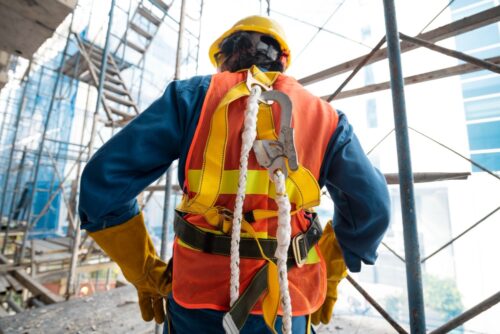
A thorough approach to ensuring safety and quality standards is essential in the construction industry, where the stakes are high and the margins for error are slim. Commercial builders are instrumental in implementing rigorous safety protocols and standards of quality from start to finish. They are responsible for adhering to best practices, local regulations, and building codes, which helps mitigate risks and improves the reliability of the project.
For this purpose, contractors often carry out routine site checks, ensure adherence to safety rules, and supply regular workforce instruction. Contractors partner with reputable subcontractors and vendors who are dedicated to high standards, guaranteeing that labor and supplies adhere to set standards. By promoting high standards of safety and quality, commercial general contractors safeguard their employees but also improve the lifespan and resilience of the buildings they construct, ultimately leading to successful project outcomes and satisfied clients.
FAQs
Which Credentials Should I Seek in a General Contractor?
When selecting a general contractor, one should consider their project history, credentials, insurance, references, and experience - Hickory top rated Commercial linked article General Contractor. Furthermore, strong communication abilities and a demonstrated ability to manage time and financial constraints are essential for successful project delivery
How Do I Select the Right Contractor for My Project?
In order to choose the best contractor, one should assess their background, verify past clients, look at previous work, validate insurance and licensing, and ensure open lines of communication. A thorough interview process can help assess alignment with project objectives.
What Issues Are Typical for Commercial Builders?
Commercial builders commonly encounter difficulties including regulatory hurdles, labor scarcity, budget pressures, scheduling problems, and subcontractor management. These difficulties have the potential to influence the overall quality, budget, and duration of the project if they are not handled well during the project life cycle.
How Do Contractors Handle Unexpected Issues During Construction?
Contractors address unexpected issues during construction by quickly evaluating the situation, developing contingency plans, and keeping all parties informed. Hickory top rated Commercial General Contractor. Project members often rely on teamwork and their experience to execute solutions, guaranteeing minimal interference to the project's timeline and budget
What's the Typical Timeline for a Business Construction Project?

The usual duration for a business construction job spans multiple months to a couple of years, influenced by factors such as the project's extent, how complex it is, permitting processes, and the availability of materials and labor.